This article is for informational and educational purposes only and does not constitute legal advice.
A nonprofit does not receive a blanket copyright exception for documentary work. Educational or charitable goals, free distribution, a creator credit, an old-looking image, or a short excerpt do not automatically make reuse lawful. Copyright generally begins when an original work is fixed in a tangible form, and protected categories include photographs, audiovisual works, musical works, and sound recordings.
For each third-party asset, a nonprofit needs a sound basis for use: ownership of the relevant rights, written permission or a license, confirmed public-domain status, an open license that fits the planned use, or a fact-specific fair-use rationale. This matters because one archival item can involve more than one right or an unclear ownership history.
Start with a clearance path
Identify the exact file before editing it into the film. Record where it came from, who created it, and who claims to control it. Then determine whether the nonprofit owns the rights needed for its intended distribution or has a written license that covers that use.
If neither is true, investigate whether the particular work is in the public domain or available under an open license. If those routes do not apply, fair use may be relevant when the documentary needs the work for commentary, criticism, analysis, or historical discussion. It should not be treated as a shortcut for filling visual gaps or creating atmosphere.
Keep this work in a rights log before publication. For every asset, retain its description and file name, source or URL, creator and claimed rights holder, permission date and territory, permitted media and distribution channels, required credit, and the supporting license or release. The record should also show whether the permission covers editing, subtitles, translations, paid promotion, festival screenings, social clips, and future reuse, along with the staff member who checked it.
Old photographs require more than an old print
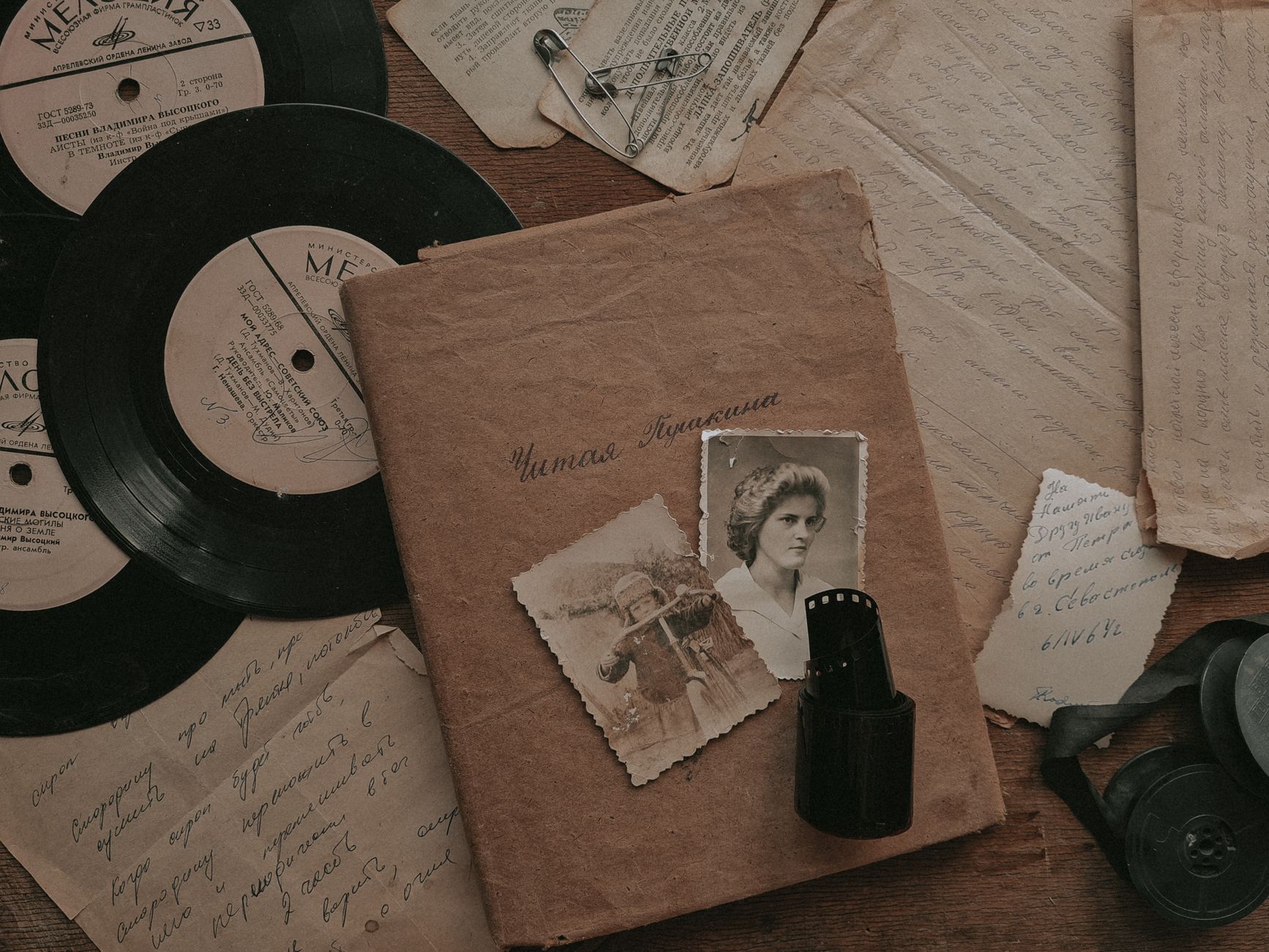
The age of a physical photograph is not the same as the copyright status of the image. Having a print in a nonprofit’s files, receiving one from a donor, or finding it online does not by itself transfer copyright or establish online-video rights. The Copyright Office explains that the photographer generally starts as the copyright owner. A work-made-for-hire arrangement can change that result, but it has specific requirements and should not be assumed simply because an organization paid for the photo.
Public-domain research can offer a clearer route, but it must be precise. The Copyright Office states that works published in the United States before January 1, 1931, are in the public domain. That benchmark should not be extended automatically to unpublished works, foreign works, or later works. For those materials, the applicable term can depend on facts such as publication status, creation date, authorship, and whether the work was made for hire, anonymous, or pseudonymous.
Even when the underlying image is public domain, the specific scan, restoration, compilation, or other version may raise separate questions. Confirm the status of the actual file you plan to use.
News facts are different from news footage
A nonprofit can describe a historical event in its own words and with its own visuals. That does not mean it can freely reuse a broadcaster’s segment. A news clip may contain protected video, narration, graphics, editing, and other expression. The potential rights holder may be a station, network, production company, wire service, or freelance creator, so the person or archive that supplied a copy may not have authority to license documentary use.
A limited clip can present a stronger fair-use question when the documentary examines the coverage itself. For example, the clip may be necessary to analyze how an event was portrayed or to place the coverage in historical context. Using the same clip simply as background footage or emotional shorthand has a weaker connection to commentary and may call for permission.
Fair use has no five-second rule
Fair use is assessed under four factors: the purpose and character of the use, the nature of the copyrighted work, the amount and substantiality used, and the effect on the market for the original. A nonprofit educational purpose may support the first factor, but it does not decide the result.
There is no fixed number of seconds, words, or percentage that is automatically safe. A short excerpt can still be significant if it captures a recognizable or central part of the work. Teams should ask why that exact photo, clip, or song is necessary to the film’s point, how much is needed for that purpose, and whether the use could substitute for or harm the market for the original.
Because the analysis depends on the asset, edit, and distribution plan, obtain tailored counsel when a project depends on fair use, especially for prominent material or a broad release.
Popular music usually means two permissions
Using a familiar commercial recording in a documentary video normally implicates two separate copyrighted works: the musical composition and the sound recording. The Copyright Office describes the usual permissions as a synchronization license for the composition and a master-use license for the recording. There is no compulsory synchronization or master-use license for audiovisual uses.
Background music can create the same issue. Music audible in a car, venue, event, television, or social-media clip should be identified early. Depending on the production, a team may need to reshoot, mute or replace the audio, seek a license, or obtain advice about whether a specific fair-use rationale is realistic.
Use open and government material carefully
Creative Commons material can be useful, but the exact license controls. All standard Creative Commons licenses require attribution. NC limits use to noncommercial purposes, ND prohibits sharing adaptations, and SA may require compatible licensing of adaptations. An edited audiovisual work, fundraising use, sponsored distribution, or other planned use can raise scope questions, particularly under NC or ND terms. Review the license attached to the exact asset rather than relying on a general search label.
Some U.S. federal government works may also be available. Under 17 U.S.C. § 105, a work prepared by a federal government officer or employee as part of official duties is generally not subject to U.S. copyright. That rule does not automatically cover contractor-created work, third-party material on a government website, or separately identified copyrighted material in a government publication.
A nonprofit archive is not a broad publication exception. Qualifying libraries and archives can have limited statutory permissions under Section 108, subject to detailed conditions, but those provisions do not generally authorize placing protected photos, music, or clips in a publicly distributed documentary.
Copyright clearance is only one part of release planning. Contracts, donor restrictions, privacy, publicity or personality rights, defamation, trademarks, and prior consent commitments may also matter depending on the facts and, in some cases, state law. Address those issues with tailored counsel before publication.
Sources / References
U.S. Copyright Office, What Is Copyright?
U.S. Copyright Office, More Information on Fair Use
U.S. Copyright Office, What Photographers Should Know about Copyright
U.S. Copyright Office, How Songwriters, Composers, and Performers Get Paid
U.S. Copyright Office, How Long Does Copyright Protection Last?